
Detailing Checklist for Better Nighttime Visibility
Driving after dark asks more of your eyes than daytime driving does, and a neglected vehicle makes the job even harder. Hazy headlights, filmy windshields, and glossy dashboards can all scatter light in ways that strain your vision and slow your reactions. According to the American Automobile Association, 60% of drivers say headlight glare makes nighttime driving difficult, and 92% of those drivers name the headlights of oncoming traffic as the biggest source of the problem.
You can't control the vehicles coming toward you, but you can control how your own car handles that light. Investing in local car detailing is a practical way to sharpen your view of the road once the sun goes down. The checklist below covers the surfaces that matter most for nighttime visibility and explains why professional care makes a real difference.
Restore Cloudy Headlight Lenses
Your headlights are the first item on any nighttime visibility checklist. Most modern lenses are made of polycarbonate plastic with a factory UV coating, and that coating breaks down over time under the Southeast Texas sun. Once it fails, the lens oxidizes and turns yellow and cloudy. A foggy lens scatters the beam instead of focusing it on the road, which shortens how far ahead you can see and can throw stray light toward other drivers.
Store-bought restoration kits promise quick results, but they often remove the haze without replacing the protective layer, so the cloudiness comes back. Aggressive hand sanding can also leave uneven scratches that distort the beam pattern. Professional headlight restoration through local car detailing takes a more careful approach, using gradual polishing steps to remove oxidation evenly and then sealing the lens so the clarity lasts. The difference is often obvious the first time you pull onto a dark road, with a brighter, crisper beam lighting up signs, lane markings, and potential hazards.
Clear Hazy Film From Interior Glass
Many drivers notice that their windshield looks clean during the day but turns into a smeared, glowing mess when oncoming headlights hit it at night. That effect usually comes from a film on the inside of the glass. Vinyl and plastic components in the cabin release vapors as they heat up, a process called off-gassing, and that residue settles on the windshield. Add fingerprints, smoke, pet dander, and the oils from a quick wipe with a dirty rag, and you have a surface that catches light and spreads it across your field of view.
Cleaning interior glass properly is harder than it looks. The steep angle of the windshield makes the lower corners tough to reach, and household cleaners containing ammonia can damage window tint and dashboard materials. A thorough interior detail from local car detailing professionals includes streak-free cleaning of every window with products that are safe for tint and trim. Pairing glass cleaning with a full interior detail also helps, since removing dust and grime from the dashboard, vents, and upholstery slows how quickly new film builds up on the glass.
Remove Bonded Contaminants From Exterior Surfaces
The outside of your windshield faces a constant barrage of bug splatter, tree sap, road film, and industrial fallout, especially on busy highways and near industrial areas. Some of these contaminants bond to glass and paint and won't come off with a quick rinse or a pass of the wiper blades. At night, those spots and streaks catch oncoming headlights and create bursts of glare right in your line of sight.
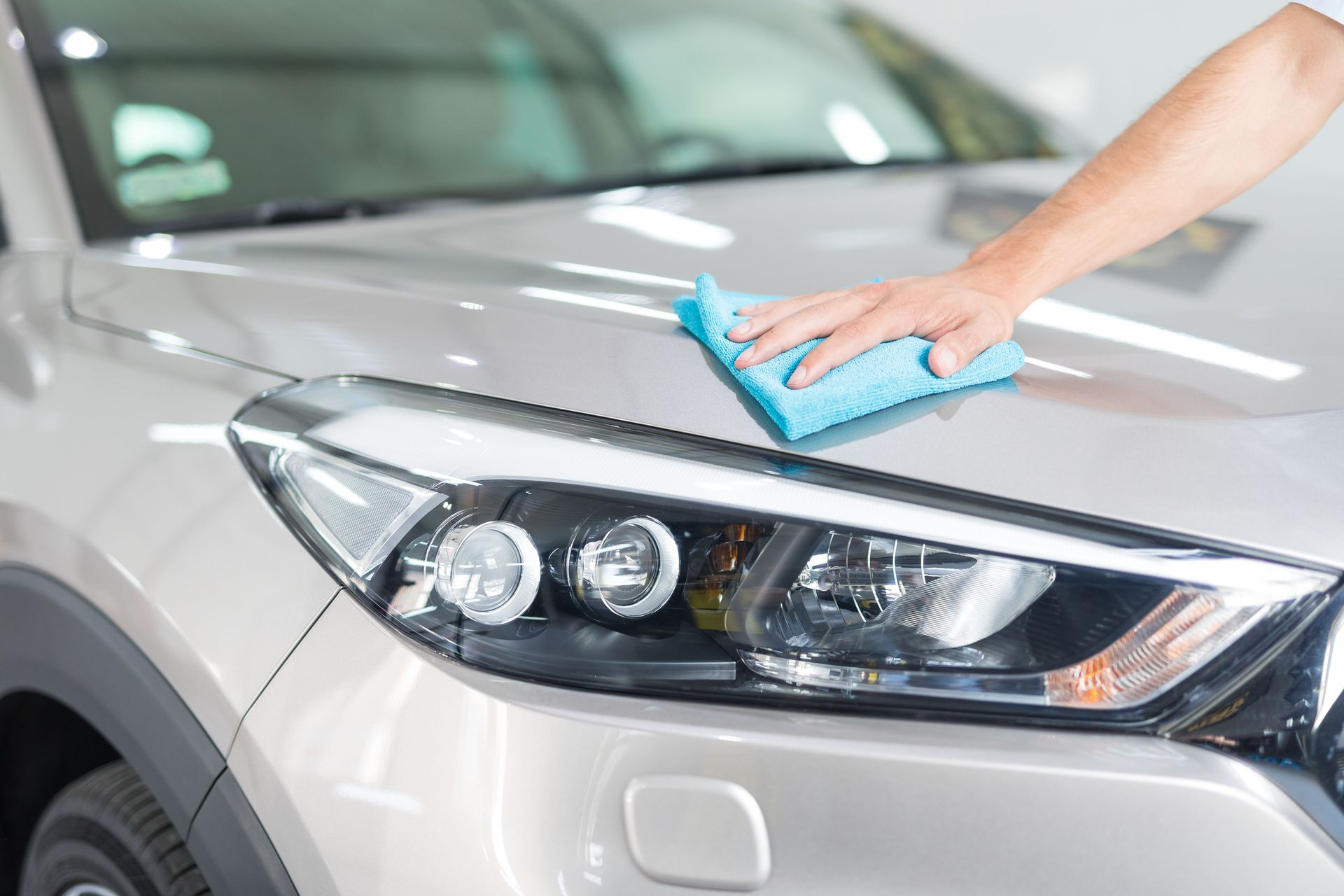
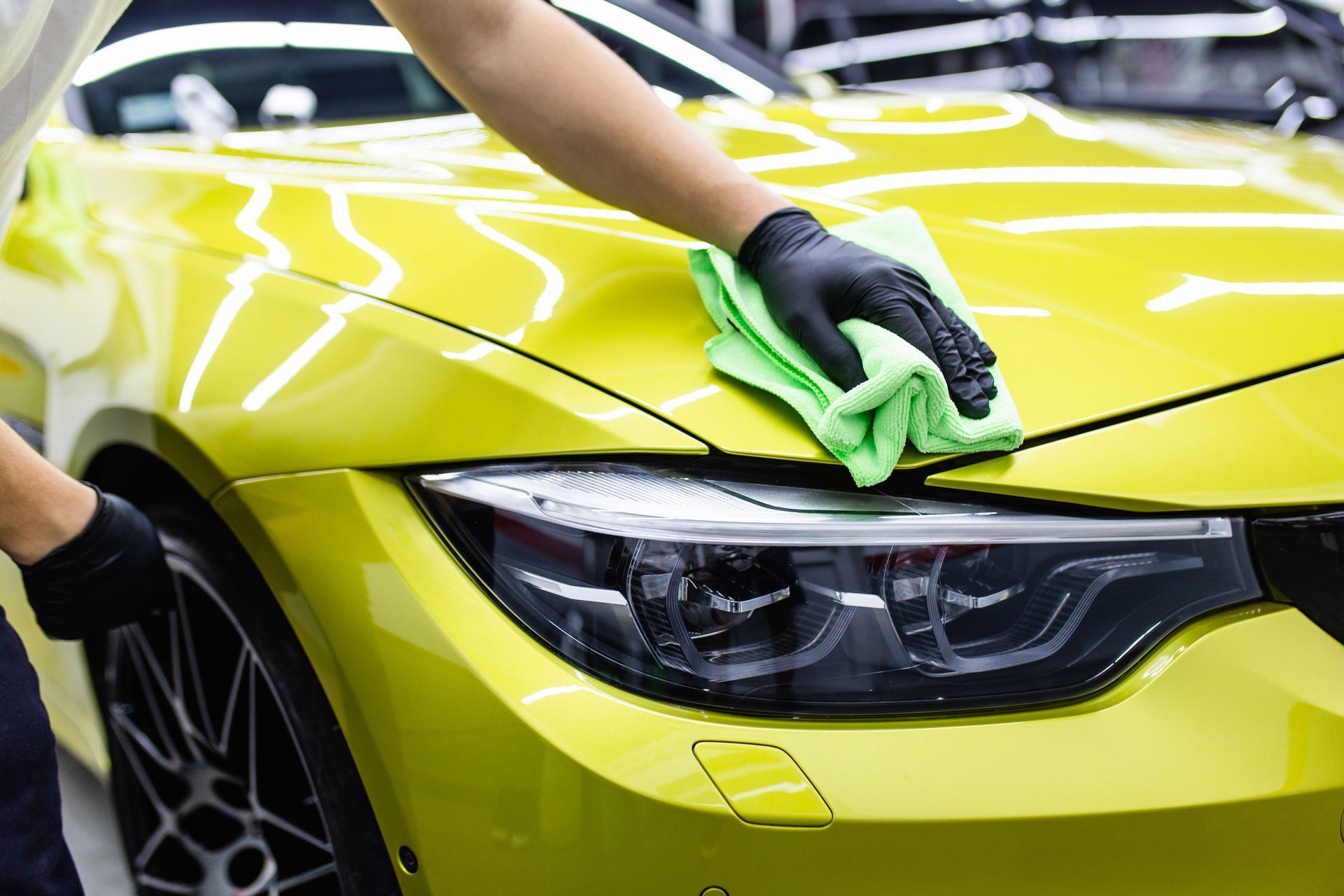
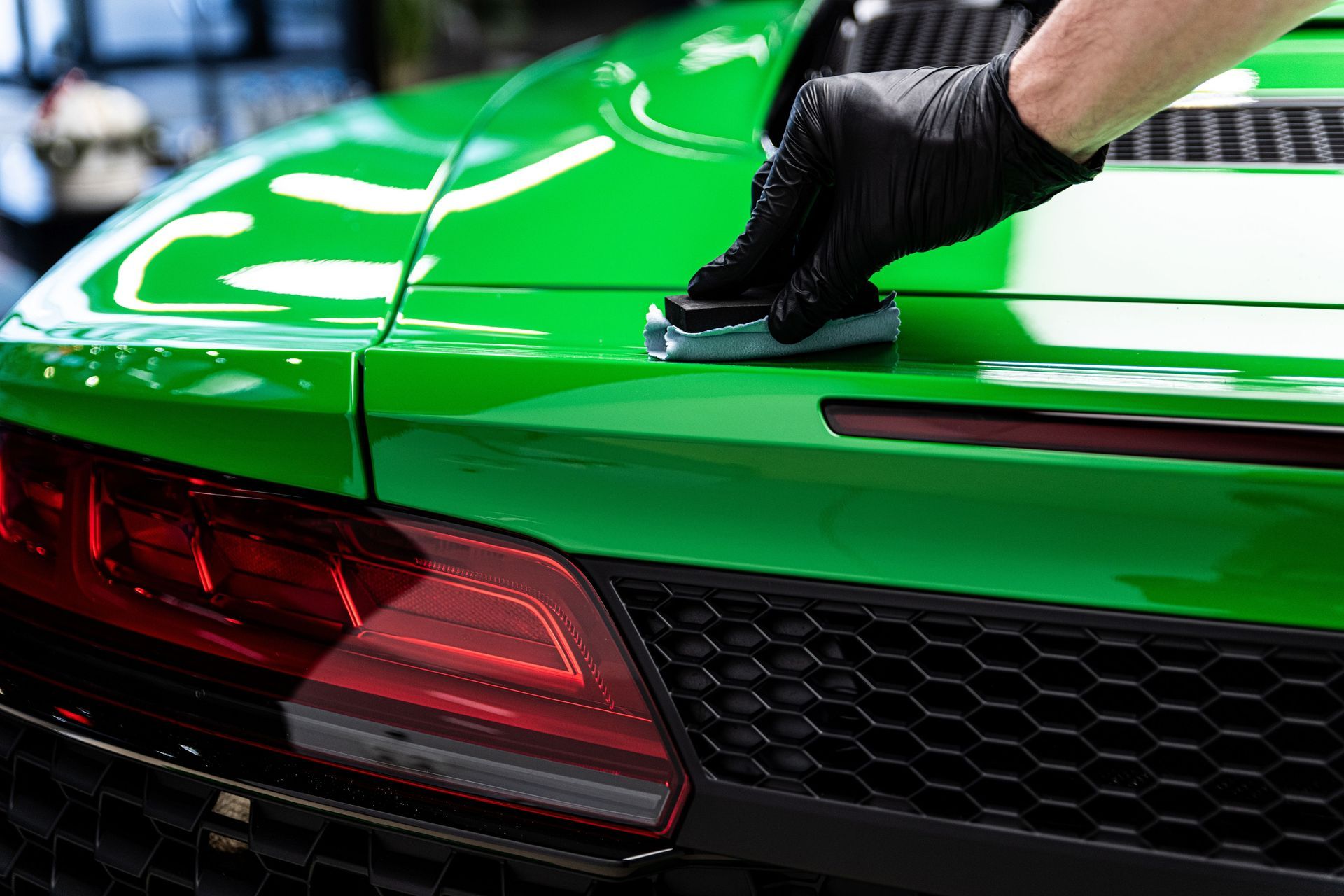
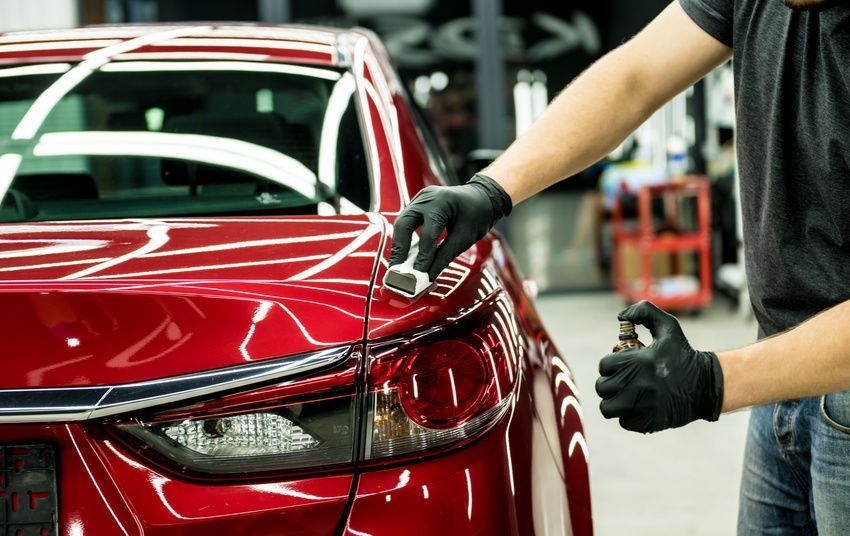
A professional hand wash removes loose dirt without the swirl marks that automated tunnel washes can leave behind, and a clay bar treatment pulls out embedded contaminants that a standard wash can't reach. Professionals who provide local car detailing can then add a protective layer, such as a ceramic coating on painted surfaces, to keep grime from sticking as easily. Ceramic coatings are hydrophobic, so water and dirt bead up and roll off instead of clinging to the vehicle. A cleaner exterior means less dirty runoff streaking across your windows during a rainy evening drive, which keeps your view clearer when visibility is already reduced.
Brighten Taillights and Exterior Mirrors
Nighttime visibility isn't only about what you can see; it's also about how well other drivers can see you. Taillights, brake lights, and turn signals use the same type of plastic lenses as headlights, and they can fade, haze, or collect grime that dims their output. A dull taillight may not register as quickly with the driver behind you, especially in rain or fog.
Exterior mirrors matter, too. Dirt and water spots on side mirrors scatter the headlights of vehicles behind you, making it harder to judge distance when changing lanes or merging. During local car detailing appointments, technicians can clean and polish lenses, mirrors, and chrome accents so every reflective surface works the way it was designed to. Polished chrome and clear lenses also improve your vehicle's overall appearance, but the real benefit shows up after dark, when bright signals and clean mirrors help everyone on the road make better decisions.
Choose Low-Gloss Finishes for the Dashboard
A shiny dashboard might look great in the driveway, but it can work against you at night. High-gloss protectants reflect light from streetlamps, oncoming traffic, and your own instrument panel onto the windshield, creating distracting reflections right where you need a clear view. The same issue can appear during sunrise and sunset drives, when low light hits the dash at a sharp angle.
Professional interior detailing addresses this by cleaning the dashboard thoroughly and conditioning plastic and vinyl surfaces with protectants that leave a clean, natural finish instead of a greasy shine. These products still guard against UV damage and cracking without turning the dash into a mirror. Experienced detailers understand how product choice affects visibility, and that attention to detail is a major advantage of trusting the job to professionals rather than grabbing whatever is on the store shelf.
Maintain a Consistent Detailing Schedule
Clear visibility is something you maintain, not something you achieve once. Headlight lenses, glass, and interior surfaces start collecting grime again the moment you drive away, and Southeast Texas heat, humidity, and pollen speed up that process. Shorter days in fall and winter also mean more of your commute happens in the dark, so your vehicle's condition matters even more during those months.
Scheduling local car detailing on a regular basis keeps the surfaces that affect visibility in top shape year-round. In our experience, most daily drivers benefit from a thorough detail every four to six months, with more frequent visits for vehicles that see heavy highway use, outdoor parking, or frequent rain. Monthly maintenance packages make it easier to stay on track without having to remember each appointment. A consistent routine also catches small issues, like early lens yellowing or a stubborn film on the windshield, before they turn into real safety concerns.
Driving at night will always come with some glare from other vehicles, but your own car shouldn't add to the problem. Clear headlight lenses, spotless glass, polished mirrors, and a low-glare dashboard all work together to help you see the road and react with confidence. While some of these tasks seem simple, the products, tools, and techniques professionals use make a clear difference in how well and how long the results hold up. Professional local car detailing turns this checklist into a routine that keeps you safer every time the sun goes down.
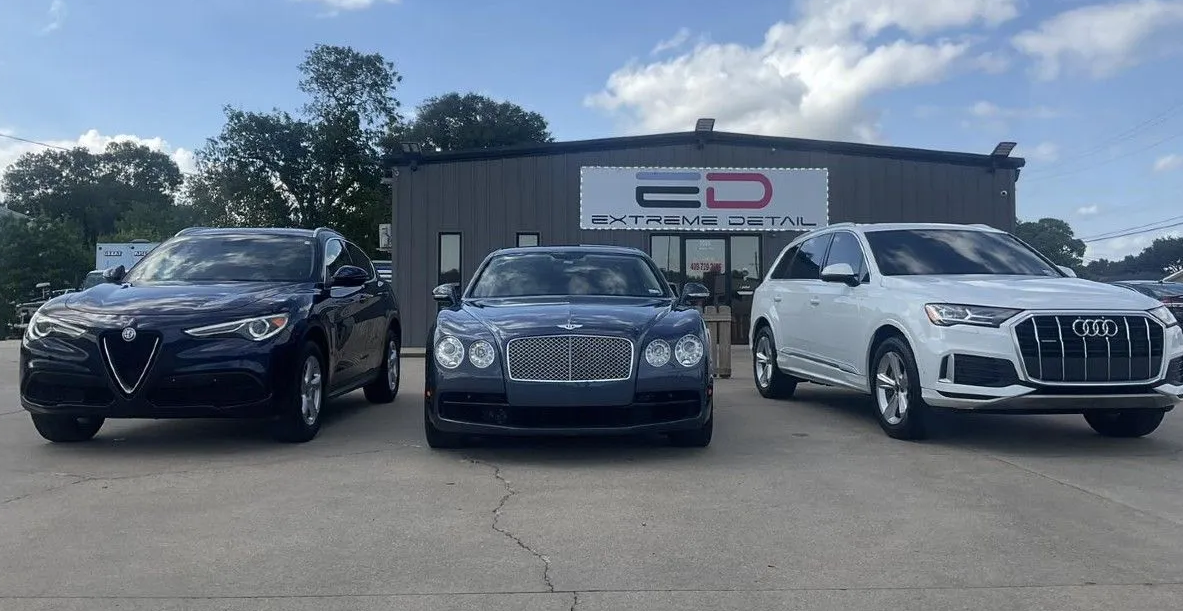
At Extreme Detail Hand Wash, we bring more than 12 years of experience to every vehicle we work on, from headlight restoration to interior detailing and ceramic coating. Our team offers same-day service when you drop off your vehicle, along with mobile detailing that comes to you. Contact us today to schedule local car detailing and see the road more clearly on your next evening drive.

Share On: